Alternative shopping
At this time of year with Christmas just around the corner Seville city centre is crowded with shoppers looking for the best presents they can find. But how can we make our loved ones happy while still supporting local businesses? Actually, there are plenty of options and we’ve come up with this little guide to help you.
Craft Markets

- Mucho Maske Market
This little craft market started up 9 years ago, and has been held in a variety of locations. This year it’s in the Regina area behind the Metropol Parasol (calle Viriato, 9) from the 17th until the 20th of December and will showcase 19 different brands, including jewellery and wooden toys.

- El Butrón Market
El Butrón is a cultural space where artists can meet and display their creations in temporary exhibitions. This is it’s 4th year, and it’s running from the 18th to the 20th of December at calle Butrón, 7, with workshops, music and organic food.

- Mercado de Artesanía
Organized by the Federación Artesanal de Sevilla and the City council Seville’s famous annual hadicraft market is already open in Plaza Nueva and will be there until the 5th of January, with a wide range of quality merchandise to choose from.
Shopping by Barrio

Regina Market
The Regina market, actually an association of small local shops in Viriato, Jerónimo Hernández and Amparo streets, offers an individualistic style of shopping, with a mix of the moderni and the traditional. Some of the shops you can explore to find your presents are Un gato en bicicleta, La seta coqueta, Wabi Sabi, Un Globo or Pai-pai shop.

Soho Benita
On the southern side of Las Setas we find another big area full of small fashion, design, and art places, together with some of the bars we visit in our tours and recommend in this blog. Spend a day in this neighbourhood and discover how Seville can be traditional and surprising at the same time. Soho Benita shops are Artefactum, Delimbo, Eirín, Florypondio, Isadora, La Importadora, Le Voilà, Patricia Buffuna, Taranta, Rayuela, Zález, Made with lof, Zapata and Verde Moscú, among others.
Feria/San Luis/Macarena
As well as “el Jueves” in calle Feria, the oldest flea market in Europe that takes place every Thursday morning, there are many handicraft workshops that have appeared in this neighbourhood in recent years.
- La Osa Mallol
A couple of years ago two great designers joined forces to share a space where they could create and sell their range of clothing, as well as teaching others how to do the same. Their names are Hisabelia and Loulitas and La Osa Mallol is their studio/atelier (Pasaje Mallol, 31). Whenever you go there they will offer you a cup of tea, but this weekend there will also be anisette and polvorones (Spanish Christmas’ shortbreads).
- Desmontando a La Pili
Diversity, feminism and responsible consumption are the name of the game here. So that you can be sustainable even in bed, Mónica Ortiz has come up with some options to make sex better. Her products, available through her website and her fantastic Tuppersex meetings, are designed for learning, solving problems and having fun. Give yourself or someone you love some pleasure and contact her at info@desmontandoalapili.com or find her at Tramallol (Pasaje Mallol, 22).
- Rompemoldes
This is a group of workshops specialising in a variety of different crafts. Some are also shops where their products are sold, while others work on commission only basis. Located in a council owned building, this is a secluded space with a wonderful courtyard full of plants. Open the door (San Luis, 70) and sneak in, you won’t regret it!
- Lino y fino
Petra started creating and selling handmade linen clothes in Tarifa, near Cadiz, in 1998. She now has two more shops, and we are lucky to have one at calle San Luis, 72. She uses 100% pure linen for unique women’s, men’s and children’s clothes. She also uses some warmer fabrics for winter!
- Santa Cleta
There are many bike shops in Seville, a result of growing interest in green transport options, but the most sustainable, committed and active one is Santa Cleta. They won’t only sell you a bike, but will also teach you how to ride it, no matter what your age, and how to maintain and repair it! Ride, or walk, to Plaza del Pumarejo and take the street on the right hand side of the old palace: Fray Diego de Cádiz, 24.

Remember: Think global, shop local and buy handmade.

 Ruta de Tabancos map by Tabancora


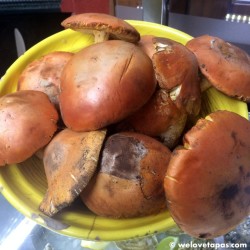
 amanitas cesáreas
 seasonal mushroom selection at Restaurante Modesto
 wild mushrooms at Mercado de la Encarnación
 grilled amanitas cesáreas with pesto and parmesan at La Azotea








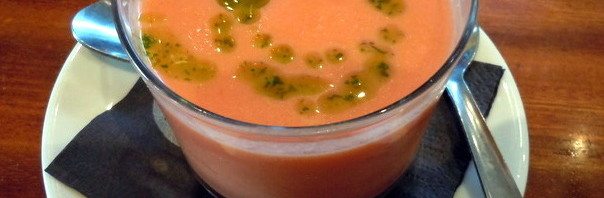
 gazpacho
 ajoblanco
 salmorejo
 porra
porra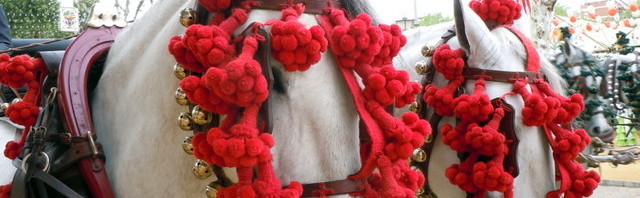


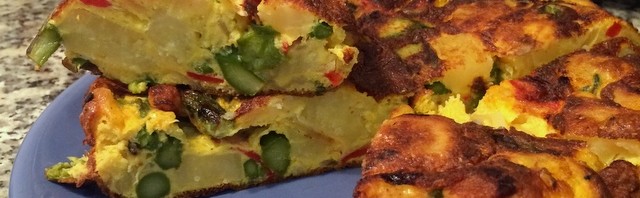


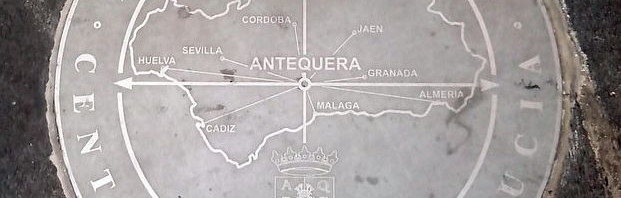

 view of Antequera from the Alcazaba
 The Alcazaba was built by the Moors in the 13th century after the Christian kings conquered Cordoba, and finally fell to the future Ferdinand I of Aragon in 1410. It’s well worth a visit, with an excellent audio guide to the castle, and panoramic views of the town and surrounding countryside (look out for the golden angel on top of the San Sebastian church tower). Antequera is also famous for its large number of churches, convents and palaces (it’s sometimes called the city of churches), mostly built in the period of prosperity after the discovery of the New World, and an important museum which you can find in the Nájera Palace in the Coso Viejo.
 breakfast mollete with olive oil, tomato and jamón serrano
 two rings of churros please!
 three types of porra: tomato, blanca and orange
 What better way to start our new blog than to tell you something about what we love? We’re talking tapas, of course – those nifty little snacks that you buy to go along with your drink, and which can rapidly add up to a complete meal.
 But there’s more to tapas than just food, of course. In Andalucía tapas is part of the social culture, and it’s something that every visitor to Spain should experience, preferably in the form of a “tapeo”, which is going from bar to bar for drinks and tapas (one of the reasons there are so many of them).
 Before ordering check whether tapas are available at the tables or outside (sometimes you have to order raciones – full size plates), or only at the bar. Once seated (or stooded, if you’re at the bar), don’t order everything at once – it may all come at once, get cold, or just be more than you need – just one or two tapas each to start, and more as you go. Expect to pay around €2-3 for a tapa, though it can go as high as €6, especially in “gastrobars”. The barman will usually keep a tab for you, which is paid at the end, but if you’re eating outside you may have to “pay as you go”. There aren’t any rules about tipping, but we generally leave 10%, or just some change if we’re at the bar.
 So don’t be shy, or intimidated by the noise and chatter. Just get stuck in.