Updated: July 1, 2016
You may notice, or may have already noticed, as you make your way from bar to bar in search of tapas and a drink, that the word abacería (often antigua abacería) appears in some of the names in a way that suggests a particular meaning. But what meaning?

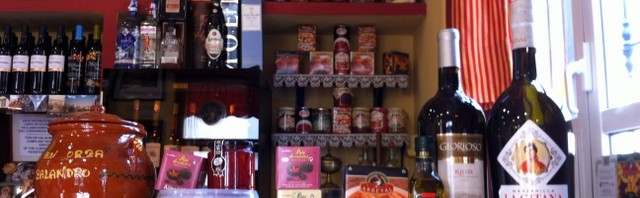
On closer inspection you may notice that as well as being bars, these abacerias are also small shops, selling a variety of foodstuffs, but especially delicatessen (hams and cheeses etc), beans, herbs and spices, and speciality items in tins and jars. In fact, these abacerías (and not all abacerías have the word in the name), were shops first, and shops with a bar later, although the presence of a bar is what distinguishes them from the other type of small grocer’s, the tienda de ultramarinos (literally shop of beyond the sea, originally specialising in products from the New World). The word abacería is Arabic, meaning something like “place of supplies”, and nowadays offer the opportunity to sample anything you’ve bought in the shop while still on the premises. By the mid 20th century abacerias had almost disappeared, but over the last few decades there has been a revival, and both “traditional” and “modern” versions are now very popular.
I love these little treasure troves of culinary delights, where you never know quite what you may find. There’s some nostalgia too; a lot of them have a look and atmosphere of little shops that I remember from my childhood, but transported to a different country and almost magically reinvented. These are some of my favourites, and well worth seeking out for that very special Sevilla experience.

Casa Moreno is one of my favourite places in Sevilla. A tiny shop in front with a little bar hidden away at the back serving mostly montaditos (toasted buns) with delicious meat and cheese fillings. Great atmosphere that’s old fashioned in just the right way.
Casa Moreno
Gamazo
7 Arenal

La Antigua Abaceria de San Lorenzo isn’t actually that antigua, though it certainly looks the part. Hidden away in a residential neighbourhood it’s obviously a locals bar, cosy and intimate with everybody on first name terms.
La Antigua Abacería de San Lorenzo
Teodosio 53
San Lorenzo

La Antigua Abaceria in Triana has something of the feel of a country pub, and is a great little place to stop for a beer and snacks. It’s recently been extended into a second premises next door, but still has the same friendly atmosphere.
La Antigua Abacería
Pureza 12
Triana

La Almadraba is part of a modernising trend at Seville’s oldest market in Calle Feria. As the name suggests it’s all about the tuna, with quality products from top brands such as Herpac. Don’t miss the mojama (cured tuna). Delicious.
La Almadraba
Feria Market

Salsamento is a brand new abacería in the revitalised Regina neighbourhood behind the Metropol Parasol that has succeeded in combining the traditional spirit of the abacería with a totally modern light and clean interior design. There’s a nice mix of cheeses and charcuterie with simple tapas and a nicely displayed range of speciality tinned goods.
Salsamento
Jerónimo Hernández 19
Centro / Regina

Flores Jamon y Vinos in Puerta Triana, is a modern, upmarket version of abaceria. Specialising in top quality jamon, but with plenty of other goodies to excite. Eat here or take away, with ham and other cured meats cut to order or available vacuum packed.
Flores Jamones & Vinos
San Pablo 24
Centro/Arenal
Photos courtesy of Azahar Sevilla
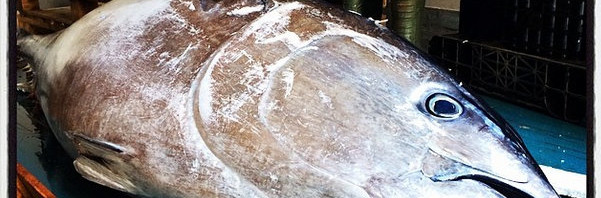

 The filleting of a tuna, in which the head, tail and fins are removed, and the different cuts separated from the backbone is called the ronqueo (literally, snoring, after the sound of the knife running along the spine of the fish), and an expert can complete the job in about twenty minutes.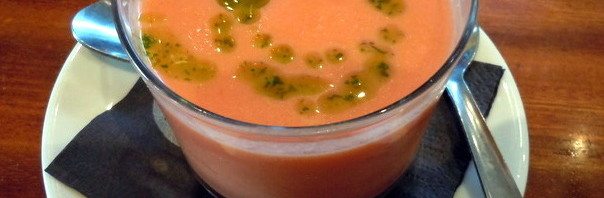
 gazpacho
 ajoblanco
 salmorejo
 porra
porra
 What better way to start our new blog than to tell you something about what we love? We’re talking tapas, of course – those nifty little snacks that you buy to go along with your drink, and which can rapidly add up to a complete meal.
 But there’s more to tapas than just food, of course. In Andalucía tapas is part of the social culture, and it’s something that every visitor to Spain should experience, preferably in the form of a “tapeo”, which is going from bar to bar for drinks and tapas (one of the reasons there are so many of them).
 Before ordering check whether tapas are available at the tables or outside (sometimes you have to order raciones – full size plates), or only at the bar. Once seated (or stooded, if you’re at the bar), don’t order everything at once – it may all come at once, get cold, or just be more than you need – just one or two tapas each to start, and more as you go. Expect to pay around €2-3 for a tapa, though it can go as high as €6, especially in “gastrobars”. The barman will usually keep a tab for you, which is paid at the end, but if you’re eating outside you may have to “pay as you go”. There aren’t any rules about tipping, but we generally leave 10%, or just some change if we’re at the bar.
 So don’t be shy, or intimidated by the noise and chatter. Just get stuck in.