It’s all about the Pig

IMG_9081

As anyone who has been to Spain will already know, when it comes to food the pig holds a special place of affection in the hearts of the Spanish (if you can excuse a rather mixed metaphor). No one knows exactly how long this love affair has been going on, but it’s thought that domesticated pigs were first brought to the peninsula by the Phoenicians nearly three thousand years ago, though the native Iberians had no doubt been hunting the native wild boar for many centuries before that. Although always popular, the centrality of the pig in Spain was cemented in the late Middle Ages as the Christians wrested control from the Moors and the Jews, and the consumption of pork became something of a symbol of the new Christian Spain.

IMG_8821

At some point the boar and the domesticated pigs were crossbred, resulting in the Iberian peninsula’s very own special breed, the famous Iberian black-footed pig. They are raised mainly in the hill country of northwest Andalucia and Extramadura, on a specially maintained landscape called a dehesa, essentially grassland with groves of oak trees, and the pigs fatten by foraging on acorns (Spanish bellota). Although not numerically the majority of Spanish pigs, this is the breed which supplies the unique and highly prized Iberian pork and ham products.

IMG_9206

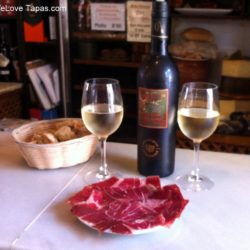
Most prized of all, of course, is the wonderful jamon Iberico Bellota. The combination of breed, free-range diet and the curing process make this the treat not to be missed. Succulent and full of flavour, it is arguably the best ham in the world, and for the full Spanish effect it should be accompanied by a glass of chilled manzanilla or fino. You should also try caña de lomo, a cured Iberian pork loin with a subtly different taste and texture.

IMG_8855

But it’s not all jamon. Traditionally, every part of the pig is used. Lean cuts such as presa or solomillo are normally grilled (solomillo is popular with a whisky sauce with lots of garlic and a hint of lemon that’s absolutely delicious). The slightly fattier pluma and secreto, as well as bacon, may be either grilled or fried. But it doesn’t stop there. Tender stewed pork cheeks (carrillada) seem to be one of Spain’s best kept culinary secrets. So too is morcilla, or blood sausage. The idea can be off-putting to some, but in fact it’s very tasty, and very versatile.

But when I say every part of the pig is used, I mean every part. From tripes (the secret’s in the sauce) to feet and from snout to tail, it’s all part of somebody’s favourite dish. I’ve tried pretty well all of them at one time or another, and haven’t found one that I don’t like. How many are you going to try while you’re here?

IMG_8778

Tío Pepe en Rama 2016

tio pepe en rama 16
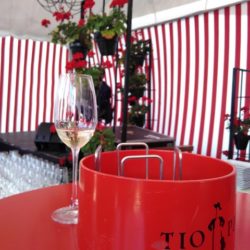
This year’s Bodegas Gonzales Byass tasting event for Tío Pepe en Rama 2016 was held on April 11th (lunes del pescaíto), at the Mercado del Barranco on Seville’s riverside. Although we weren’t too lucky with the weather, with the wind even knocking over a few glasses, master blender (and winemaker poet) Antonio Flores led us on a metaphorical sailing trip down the Guadalquivir river, from Sevilla to Jerez. As we listened to his accounts we sampled the three different sherry wines: Tio Pepe en Rama (fino), Viña AB (amontillado) and Leonor (palo cortado). When you pour the wine, close your eyes, smell the wine and then drink, it shows once again that sherry is not just another white wine, but has a strong connection to the south of Spain, its sunshine, the smell of the sea and the silence inside the bodega. The magic is always there, even when it is raining and the wind is blowing. Catering for the event was supplied by various stalls inside Mercado del Barranco.

Tío Pepe en Rama 2016 was first selected in October from 100 of the best casks from two of the oldest Tío Pepe soleras, Rebollo and Constancia, and finally bottled (16,000 in total) in April from the top 60 out of those initial 100 casks.

A wild unfiltered wine, with all its yeast and organic contribution. Yellow, pale, golden tones, cloudy (yeast in suspension). The nose is pure albariza, salinity, nuts, bakery aromas. Tasty, intense, long, salty and slightly bitter finish. Or as Antonio would say… el sol de Andalucía embotellado (bottled Andalusian sunshine).

You can order Tío Pepe en Rama 2016 from the Gonzalez Byass online store or (in Sevilla) buy it at El Corte Inglés Gourmet Experience Duque.

tio pepe en rama 16 (12)

tio pepe en rama 16 (2)

tp en ramaAntonio Flores with Aldara

tio pepe en rama 16 (3)

tio pepe en rama 16 (4)

tio pepe en rama 16 (5)

tio pepe en rama 16 (7)

tio pepe en rama 16 (6)

tio pepe en rama 16 (8)

tio pepe en rama 16 (1)


Seville | Calvisius Caviar Tasting at Sea Market

caviar (1)
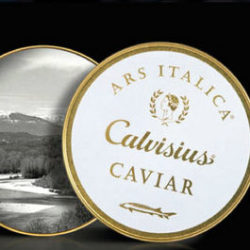
We Love Tapas had the opportunity for a visit to the recently opened Sea Market restaurant in the Avenida Eduardo Dato in Seville. We had been invited to attend a tasting of one of the most highly regarded, but possibly least known products of the sea – caviar. The tasting was hosted by Calvisius Caviar, by Export Manager Sara Morales, who began by giving us a masterful tour through the history of caviar and the different kinds of caviar produced under their brand name, which come from various species of sturgeon, before going on to the tasting itself.

caviar
We tried four different kinds of caviar, each time being given just a few of the small black eggs that we had to put on the back of our hands until they were the perfect temperature. Then, while we rolled them around in our mouths, Sara explained all the flavours, textures and smells we were eperiencing! After each tasting we were served a perfectly chosen cava from Llopart, to pair with the particular caviar we were tasting.

cava

It was a great introduction to the mysteries of caviar, but there was also a negative side to our experience at Sea Market. It is easy to be impressed when you visit the restaurant, as it is a very chic establishment: everything is what you would expect from a modern restaurant, with an aesthetic and atmosphere that many people are looking for.

But though these things are obviously important, it is also important to take care of other aspects of a business that serves the public, and we were disappointed with the standard of service we received. The serving staff appeared to be lacking in training in how to serve these particular delicacies, although this event must have been an important one for a new restaurant. Recognised brands like Calvisius and Llopart, and the various dishes the chef prepared for us during the tasting, definitely deserved better.

Callejeando Food Fest in Sevilla

What does foodie heaven look like? We bet it looks something like this…

sunset

It all happened this past weekend in Seville and of course we were there, eating and drinking non stop! There were 19 different food trucks from all over Spain with their delicious creations. To start we tried out our own local food truck, La Cayejera, which can usually be found under Triana bridge or at Torre Pelli.

callejeando (6)

The food truck concept was developed in USA but though the idea has been imported from the states, everything else is local, like this amazing Retinto beef with Payoyo cheese from Cadiz, the basic ingredients for the Brilla Bombilla hamburger.

callejeando (7)

In Spain we know all about meat, which is why Ox&Roll people were more than prepared to raise a very special one here: Wagyu. You may have heard about Kobe but this is the 100% real one, the genuine article guaranteed by Japanese organizations. They take great care of the animals and of the whole production process, and the result is the tastiest steak we have ever tried.

callejeando (3)

Culinary fusions are another important element in food trucks recipies, and Tabe Gozo is a perfect example. They were travelling around when came up with the idea of a basque-japanese mix for their project. They even make their own bread.

callejeando (2)

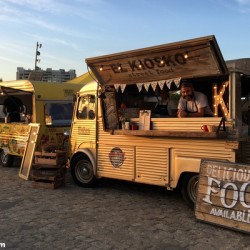
El Kiosko came with one of their three food trucks and created a special crispy chicken and nachos burger just for this event! BoKarte is its name and here you can learn how to make it: Bokarte de Pollo

callejeando (8)

These guys spent 15 hours driving to get here from Barcelona, but it was worth the ride because they surprised everybody with their chips nest, as you can see by the long line of hungry customers. La Internacional is an example of how passionate one must be to start this adventure and how successful it can be.

callejeando (4)

On a recent national TV show called Cocineros al Volante food trucks had to prove their value, and we have the winner here: Javier Brichetto. As you can imagine, we were already really full by then but he had created a burger good enough to be considered the best among so many others…so we had to try it!

callejeando (5)

Since nature gave us a separated stomach for dessert we could still enjoy Manu Jara’s surprising creations. He prepares cookies, truffles, cakes, and of course his signature choco-burger.

The event has been such a success that they are planning to do it every three months so we will keep an eye out for this Festival, in the hope that there will be more food trucks coming!

Sevilla | Abacerías

Updated: July 1, 2016

You may notice, or may have already noticed, as you make your way from bar to bar in search of tapas and a drink, that the word abacería (often antigua abacería) appears in some of the names in a way that suggests a particular meaning. But what meaning?

abaceria

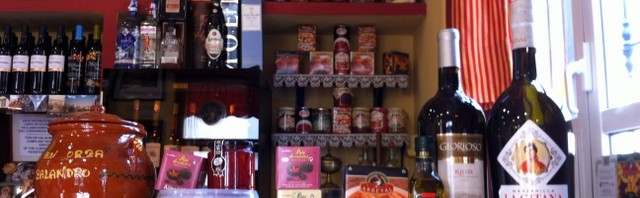
On closer inspection you may notice that as well as being bars, these abacerias are also small shops, selling a variety of foodstuffs, but especially delicatessen (hams and cheeses etc), beans, herbs and spices, and speciality items in tins and jars. In fact, these abacerías (and not all abacerías have the word in the name), were shops first, and shops with a bar later, although the presence of a bar is what distinguishes them from the other type of small grocer’s, the tienda de ultramarinos (literally shop of beyond the sea, originally specialising in products from the New World). The word abacería is Arabic, meaning something like “place of supplies”, and nowadays offer the opportunity to sample anything you’ve bought in the shop while still on the premises. By the mid 20th century abacerias had almost disappeared, but over the last few decades there has been a revival, and both “traditional” and “modern” versions are now very popular.

I love these little treasure troves of culinary delights, where you never know quite what you may find. There’s some nostalgia too; a lot of them have a look and atmosphere of little shops that I remember from my childhood, but transported to a different country and almost magically reinvented. These are some of my favourites, and well worth seeking out for that very special Sevilla experience.

casa moreno

Casa Moreno is one of my favourite places in Sevilla. A tiny shop in front with a little bar hidden away at the back serving mostly montaditos (toasted buns) with delicious meat and cheese fillings. Great atmosphere that’s old fashioned in just the right way.
Casa Moreno
Gamazo
7 Arenal

abaceria san lorenzo

La Antigua Abaceria de San Lorenzo isn’t actually that antigua, though it certainly looks the part. Hidden away in a residential neighbourhood it’s obviously a locals bar, cosy and intimate with everybody on first name terms.
La Antigua Abacería de San Lorenzo
Teodosio 53
San Lorenzo

antigua abaceria triana

La Antigua Abaceria in Triana has something of the feel of a country pub, and is a great little place to stop for a beer and snacks. It’s recently been extended into a second premises next door, but still has the same friendly atmosphere.
La Antigua Abacería
Pureza 12
Triana

la almadraba

La Almadraba is part of a modernising trend at Seville’s oldest market in Calle Feria. As the name suggests it’s all about the tuna, with quality products from top brands such as Herpac.  Don’t miss the mojama (cured tuna). Delicious.
La Almadraba
Feria Market

salsamento
Salsamento is a brand new abacería in the revitalised Regina neighbourhood behind the Metropol Parasol that has succeeded in combining the traditional spirit of the abacería with a totally modern light and clean interior design. There’s a nice mix of cheeses and charcuterie with simple tapas and a nicely displayed range of speciality tinned goods.
Salsamento
Jerónimo Hernández 19
Centro / Regina

federico flores

Flores Jamon y Vinos in Puerta Triana, is a modern, upmarket version of abaceria. Specialising in top quality jamon, but with plenty of other goodies to excite. Eat here or take away, with ham and other cured meats cut to order or available vacuum packed.
Flores Jamones & Vinos
San Pablo 24
Centro/Arenal

Photos courtesy of Azahar Sevilla

Day Trip to Córdoba

Just an hour by train from either Sevilla or Malaga, Cordoba is one of a string of romantic Andalucian cities stretching across southern Spain. It was an important Roman city (you can still see, and walk across, the Roman bridge over the River Guadalquivir), but its glory days were in the 8th to 10th centuries, when it was the capital of Islamic Spain, and one of the most important cultural centres in Europe, where Moors, Jews and Christians lived together with a degree of religious tolerance remarkable for its time. The Mezquita, or Grand Mosque, one of the most beautiful and historic buildings in Spain, was built during this time.

cordoba bridge

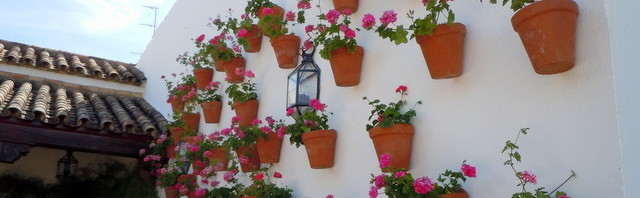
 Part of the charm of the old city today comes from the atmosphere of slightly faded greatness that fills the old courtyards and narrow streets, and make it an enchanting city to stroll around. Cordoba is also famous as a city of flowers, and in spring and early summer in particular is vibrant with colours and smells. Not surprisingly, there is an annual competition for the best patios, courtyards and balconies, but you can also visit one of our favourite places in Cordoba, the Palacio Viana, which has 13 garden courtyards each in a different style.

cordoba patios

Number one on everyone’s must see list is the Mezquita (the Grand Mosque, now a cathedral), the symbol of the city, with its famous horseshoe arches. Despite the number of visitors it still feels like a calm and peaceful oasis, though people have mixed feelings about the cathedral that was built in the middle of it. It didn’t impress the Spanish king of the time either; he said of it “You have destroyed something unique to build something I can find in any Spanish city.”  Also nearby and worth a visit, especially for the  gardens, is the Alcázar of the Christian kings

cordoba mesquita

Perhaps the most picturesque area of Cordoba is the old Jewish quarter, a neighbourhood of small courtyards and narrow twisty streets inside the remains of the west wall of the city. Here you can find the old synagogue, the Sephardi house and the zoco (market), a courtyard with small shops and workshops still making the jewellery and leather goods for which Cordoba is famous, and a good place to come for a souvenir or two.

cordoba flowersCordoba is the home of salmorejo, the thick tomato soup often served with a garnish of hard boiled egg and jamón, of the flamenquín (rolled pork and cheese fried in a coating of breadcrumbs), and of fried aubergine/eggplant with a dressing of cane sugar molasses. You can also find the biggest tortillas de patatas in the world, available from Bar Santos next to the Mezquita in calle Magistral Gonzáles Francés. Each one is made with 30 eggs and 5 kilos of potatoes. They do a mean salmorejo too.

cordoba tortilla

Some of our other favourite bars & restaurants are:
Blanco Enea
Plaza de San Pedro, 1

La Regadera
Ronda de Isasa 10

Casa Pepe de la Juderia
Calle del Romero 1

Garum 2.1
San Fernando 120

Casa Mazal
Tomás Conde 3

El Churrasco
Calle del Romero 38

Tuna Almadraba

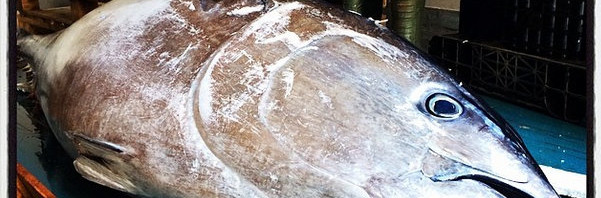
The meat of the Atlantic Bluefin Tuna (also known as Red Tuna in Spain) has long been a prized item in the gastronomy of Spain and the western Mediterranean. These majestic fish, weighing up to 200 kg (and definitely not a small round fish that fits neatly into a tin), normally live in the cold waters of the Atlantic, but every spring they migrate along the west coast of Spain and through the Strait of Gibraltar to lay their eggs in the warm waters of the Mediterranean. And it’s along the southwest coast of Spain, in the fishing towns of Zahara de los Atunes, Conil, Barbate and Tarifa, that they are trapped using the traditional method of the Almadraba.

tuna (1)

The season is brief, starting following the full moon in late April or May. The Almadraba is a system of nets that drive the tuna into a central pond, where they are forced to the surface and are hauled into the fishing boats to be slaughtered. This allows the fisherman to select the best fish, the rest being released to continue their journey, making it a sustainable way of harvesting the bounty of the sea. The fish are normally flash frozen to be sold at auction. The local bars and restaurants in Seville will often buy a tuna, which will last them through the year, being taken from storage to be used as required.

ronqueo The filleting of a tuna, in which the head, tail and fins are removed, and the different cuts separated from the backbone is called the ronqueo (literally, snoring, after the sound of the knife running along the spine of the fish), and an expert can complete the job in about twenty minutes.
The tenderest cuts, especially the ventresca (belly), are of often served raw or marinated. Other parts are usually grilled. Almost all the fish is consumed, including organs and cheeks (considered by many as a great delicacy). Many of the minor cuts, such as Morrillo (collar), were once the food of the poor, retained by the fisherman when the bulk of the fish was sold, but have since become gourmet items.

There are also various Rutas de Atún (Tuna Routes) this time of year, where you can see the fish being caught and prepared.

Spanish Cold Soups

Light, cool and refreshing in the hot summer weather, gazpacho, the cold tomato soup of southern Spain, is nowadays well-known all over the world. It’s one of a family of tomato based cold soups that includes salmorejo and porra, as well as other local varieties, but the origins of these dishes actually goes back to before tomatoes and peppers came to Spain from the New World, and even before the other common Spanish cold soup ajoblanco, made with garlic and almonds (which came to Spain with the Moors).

gazpachogazpacho

In early mediaeval times the Spanish are known to have made a soup of water, dry bread, olive oil, garlic and vinegar, which probably went back to Roman times, as all of these were important elements of Roman cuisine. Leftover vegetables and, if you were lucky, meat or fish, were added to the mixture, which was mashed up to make a paste. In Moorish times peeled, blanched crushed almonds became a major ingredient, resulting in a thick, creamy white soup that was an early form of today’s ajoblanco, still strongly associated with the last of their strongholds in Granada and Malaga.

ajo blancoajoblanco

Tomatoes (and peppers) began to appear in cold soups after these arrived from the Americas in the early 16th century. Because Seville had the monopoly of the trade, and tomatoes thrived in the soil and climate of the Guadalquivir valley (Los Palacios tomatoes are almost legendary for their taste and size), these new tomato based soups first developed in this part of Andalucia, and were not well known or highly regarded elsewhere until the 19th century.

salmorejosalmorejo

The terms used for the different varieties depend on how thick the soup is, and the extra ingredients that are used, and are commonly associated with different localities. Gazpacho, from Seville, normally adds more vegetable ingredients, particularly cucumber, peppers and onions, but less bread and olive oil, which results in a thinner mix that is usually drunk rather than spooned. It’s often garnished with croutons and chopped cucumber and pepper.

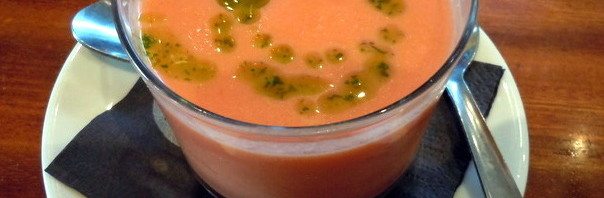
Salmorejo, the Cordobes tomato soup has more olive oil and breadcrumbs than gazpacho, and is thicker and creamier. It’s often used as a sauce (one of my favourite tapas is a carpaccio of salt cod topped with salmorejo), and may have a wide range of extra ingredients, such as beetroot, melon and avocados. In Úbeda I even came across a variety for the gluten intolerant that replaced bread with green apples – and very tasty it was too. The traditional garnish is a quartered hard-boiled egg and chopped ham.

porraporra

Porra (literally “club”, and I’ve seen it translated that way on a menu) is from the central part of Andalucia around Antequera, and is probably named for the mortar and pestle used to grind up the ingredients. With more breadcrumbs and red and green peppers it’s the thickest of all. Tuna is a popular garnish.