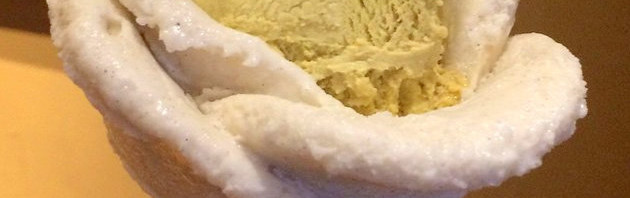
 classic vanilla & chocolate cone from Freskura
Okay, this is hardly news, but summer in Seville can get pretty hot. Afternoon temperatures often reach 40ºC, the sun beats down from directly overhead, and only mad dogs and Englishmen are still out and about (I’m joking of course; the mad dogs are all indoors, where it’s a little cooler). In days of yore there was little relief from this state of affairs, which is why most Spanish buildings are constructed to keep the heat out as far as is humanly possible, with those shady courtyards and thick walls, and not too many south-facing windows.
Times have changed, however, and a number of inventions have made Seville a realistic summer holiday destination. Air conditioning is one of these, and indeed the art of refrigeration in general is another. A third, and the topic of our homily of the day, was made possible by these advances. I speak of nothing other than that summertime staple, the humble, and often not so humble, ice cream.
 Italian soft-serve at Buoni le Pizze
Sweet treats made from fruit and ice go back a long way, certainly more than two thousand years, and we have references to such delights from both ancient China and Persia. Special buildings (mostly underground) with high insulation properties, where ice could be stored are also known. Later the Arabs added milk to these frozen delicacies. In the absence of refrigeration, however, these developments relied on supplies of natural ice, either stored from the winter, or transported from nearby mountains. Iced fruits or creams were therefore the preserve of the wealthy, and not for the common folk.
 trademark ice cream flower at Amorina
With the invention of refrigeration in the 19th century, however, ice cream became a staple summer treat for everyone from Blackpool to the Med. Spanish ice cream is generally made in the Italian “gelato” style, a thick creamy ice cream that’s actually lower in calories than most others. In the last ten years both the number of ice cream parlours in Seville and the variety of flavours available have increased dramatically. These are some of our favourites.

Heladería Rayas
Almirante Apodaca, 1
Tel: +34 954 221 746
The original Rayas opened its doors here in 1980, and there is now a second shop (shown above) near the Puerta de Triana. It’s still among the most highly regarded parlours in Seville.

Heladeria La Fiorentina
Zaragoza, 16
Tel: +34 954 221 550
Considered to be one of the most innovative, with both traditional and modern flavours. Also does excellent granizadas (half frozen drinks that I used to know as “slush-puppies” back in the day).

Amorino
Granada, 2
Tel: +34 954 227 428
I’m not generally a big fan of international chains, but Amorino’s, recently opened just off Plaza Nueva in the city centre, has a nice ambience, a good location and some great ice-cream.

Freskura
Vulcano, 4
Tel: +34 645 859 198
As well as a full selection of ice creams Freskura also has desserts and pastries. You can find them just off the Alameda de Hercules in a convenient location for a post lunch merienda.

Buoni de Pizze
Amor de Dios, 56
Tel: +34 955 293 150
Wonderful Italian soft-serve made from locally sourced fresh milk. Two flavours are made each morning.
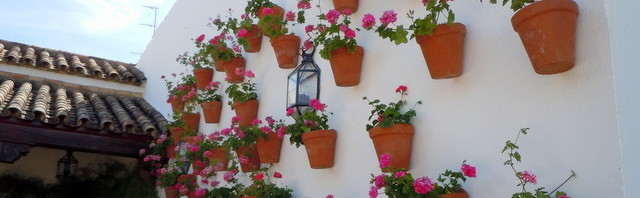


 Cordoba is the home of salmorejo, the thick tomato soup often served with a garnish of hard boiled egg and jamón, of the flamenquín (rolled pork and cheese fried in a coating of breadcrumbs), and of fried aubergine/eggplant with a dressing of cane sugar molasses. You can also find the biggest tortillas de patatas in the world, available from
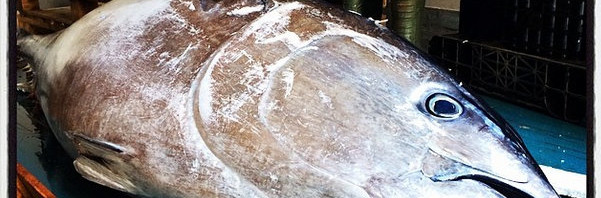

 The filleting of a tuna, in which the head, tail and fins are removed, and the different cuts separated from the backbone is called the ronqueo (literally, snoring, after the sound of the knife running along the spine of the fish), and an expert can complete the job in about twenty minutes.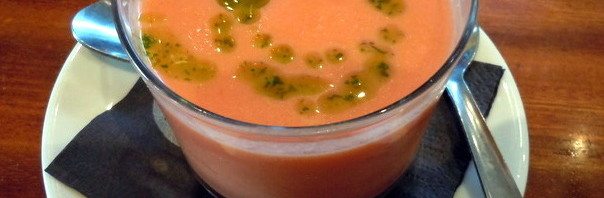
 gazpacho
 ajoblanco
 salmorejo
 porra
porra


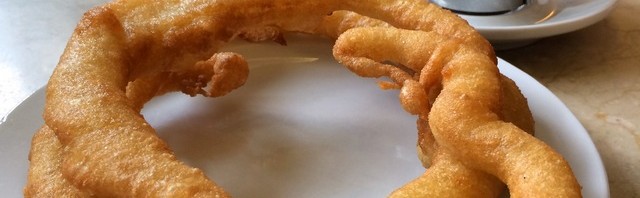

 The Churreria Alfalfa in Calle Guardarmino on the corner of Plaza Alfalfa has been run by Antonio and Inma Paz Tejada for more than thirty years.
 The same family have been making churros at this little stall next to the Postigo in Calle Arfe for six generations (150 years), with Angela & Manolo in charge of the porras and papas. Price 1.50 euros for a ración.
 A friendly little take away tucked into the corner of San Pablo and Bailen, that has been selling churros every morning except Sundays since 1960. Churros are 1.20 euros, with chocolate 2.50 euros. Take-away only
 Founded in 1904, and still owned by the same family, Bar El Comercio in Calle Lineros retains a traditional appearance and ambiance. Open all day (except Sundays) from 7.30 to 21.00 and serving churros morning and evening.
 La Centuria, behind the Metropol Parasol in Plaza Encarnación, gets is name from the “Centurions” who accompany one of the Semana Santa processions, and who used to give a concert here on Jueves Santo before setting off. Churros are available morning and evening.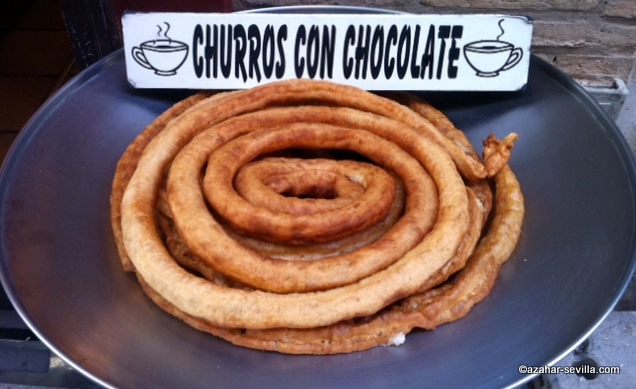
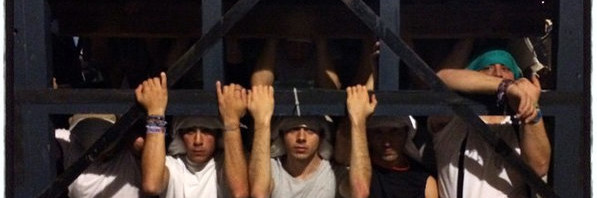
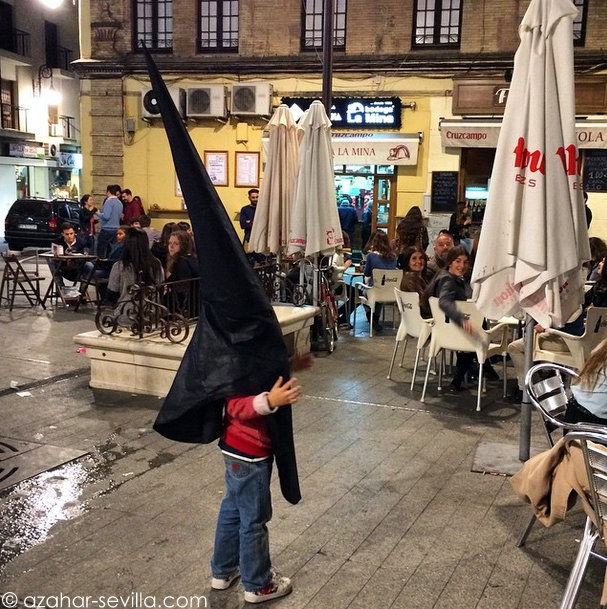
 35 costaleros carry the weight of the pasos on the backs of their necks
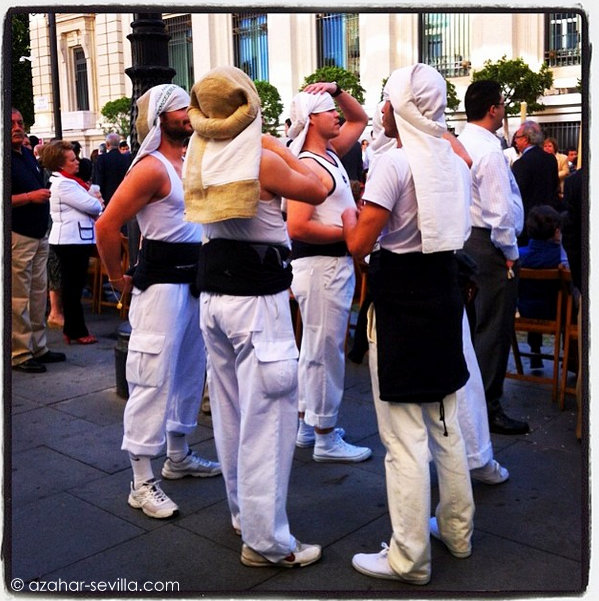 special headgear for carrying the pasos
 incense burners
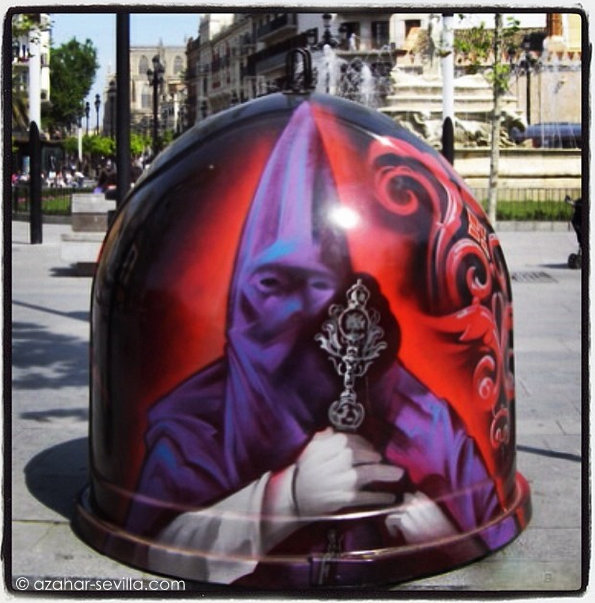 semana santa bottle recycle bin
 smoke break
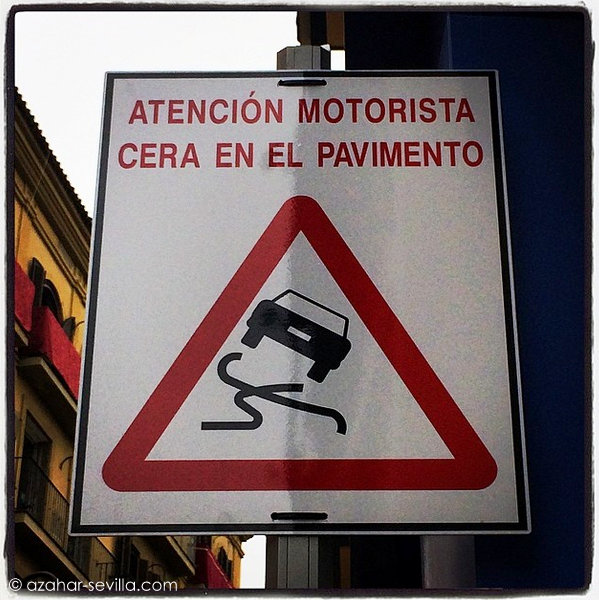 slippery when waxy
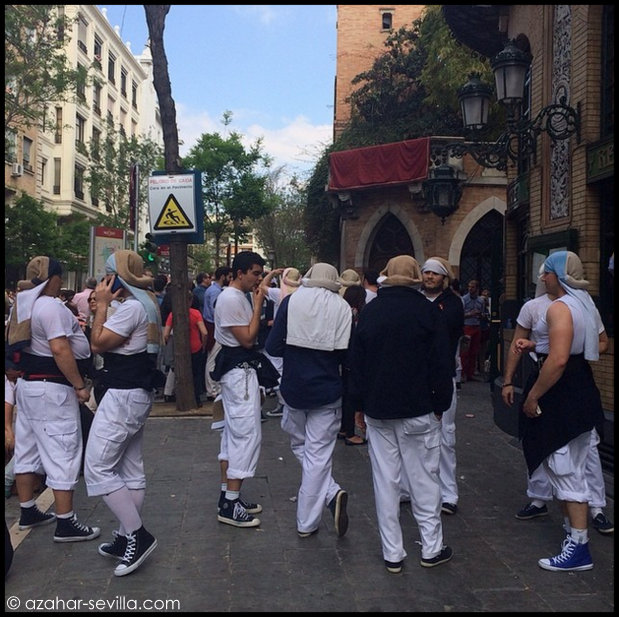 costaleros taking a break (notice pedestrian slippery when waxy sign)
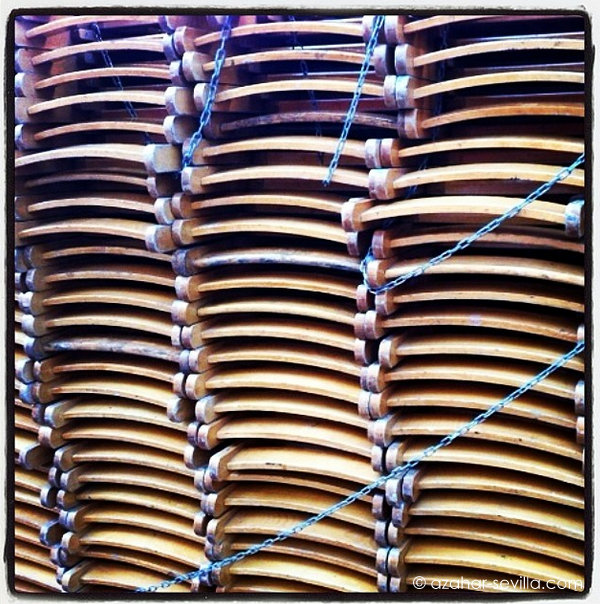 stacked chairs along the procession routes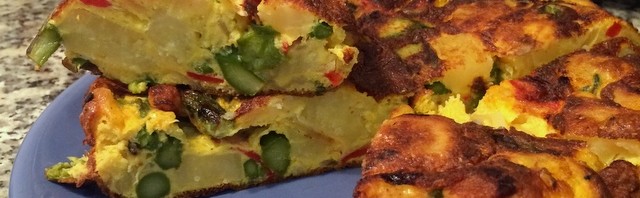


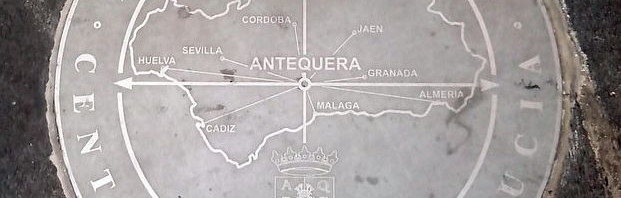

 view of Antequera from the Alcazaba
 The Alcazaba was built by the Moors in the 13th century after the Christian kings conquered Cordoba, and finally fell to the future Ferdinand I of Aragon in 1410. It’s well worth a visit, with an excellent audio guide to the castle, and panoramic views of the town and surrounding countryside (look out for the golden angel on top of the San Sebastian church tower). Antequera is also famous for its large number of churches, convents and palaces (it’s sometimes called the city of churches), mostly built in the period of prosperity after the discovery of the New World, and an important museum which you can find in the Nájera Palace in the Coso Viejo.
 breakfast mollete with olive oil, tomato and jamón serrano
 two rings of churros please!
 three types of porra: tomato, blanca and orange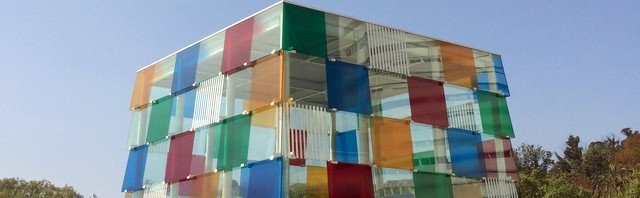
 You’re here for the food, of course, and there’s a thriving bar and restaurant scene, and the recently renovated Atarazanas Market which now has gourmet food bars alongside its more traditional market stalls. But you can’t spend the whole of your holiday eating and drinking, so you’ll be looking for other things to do between meals. And there’s actually plenty. As well as monuments such as the Alcazaba, Roman Amphitheatre and Cathedral, some beautiful gardens and the Muelle Uno harbour development, all of which you’ll want to visit, Málaga has become a city of museums, which is our subject for today.
 The recently opened Centre Pompidou Malaga, dedicated to 20th century art, is the first branch of the


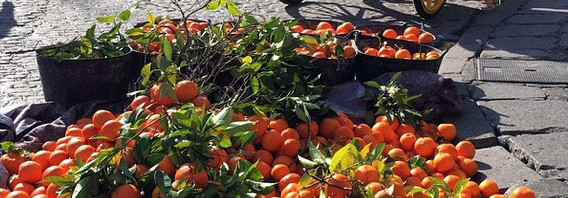
 oranges being harvested in Sevilla
 What better way to start our new blog than to tell you something about what we love? We’re talking tapas, of course – those nifty little snacks that you buy to go along with your drink, and which can rapidly add up to a complete meal.
 But there’s more to tapas than just food, of course. In Andalucía tapas is part of the social culture, and it’s something that every visitor to Spain should experience, preferably in the form of a “tapeo”, which is going from bar to bar for drinks and tapas (one of the reasons there are so many of them).
 Before ordering check whether tapas are available at the tables or outside (sometimes you have to order raciones – full size plates), or only at the bar. Once seated (or stooded, if you’re at the bar), don’t order everything at once – it may all come at once, get cold, or just be more than you need – just one or two tapas each to start, and more as you go. Expect to pay around €2-3 for a tapa, though it can go as high as €6, especially in “gastrobars”. The barman will usually keep a tab for you, which is paid at the end, but if you’re eating outside you may have to “pay as you go”. There aren’t any rules about tipping, but we generally leave 10%, or just some change if we’re at the bar.
 So don’t be shy, or intimidated by the noise and chatter. Just get stuck in.